
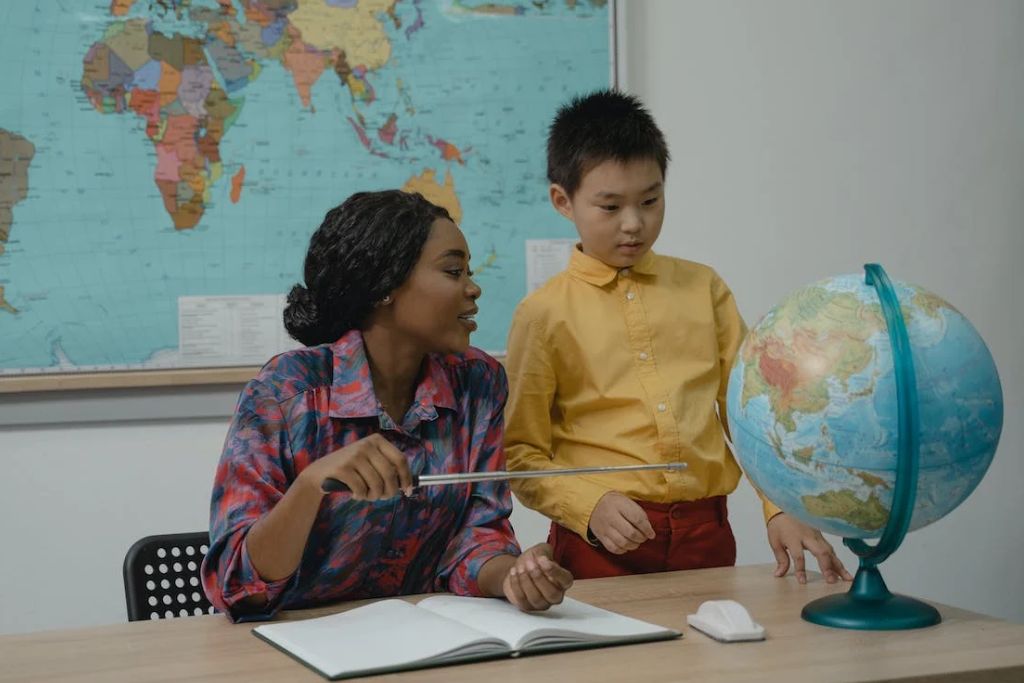
In an era defined by global interconnectivity and dynamic challenges, the pursuit of knowledge takes on a profound significance. Within the realm of academia, the Geography Degree emerges as a beacon, illuminating the path to geo-literacy—the mastery of geographic knowledge and skills essential for navigating the complexities of our world. This comprehensive guide explores the multifaceted dimensions of a Geography Degree, shedding light on the invaluable skills cultivated and the transformative impact on individuals and society.
I. Navigating the Physical Landscape: Physical Geography Skills
Understanding Climate Patterns and Weather Systems
The journey into geo-literacy begins with understanding the Earth’s climate and weather dynamics. Geography students delve into meteorology, unraveling the intricacies of atmospheric phenomena. Through hands-on experiences and simulations, they grasp the significance of climate patterns, contributing to a broader awareness of environmental changes.
Analyzing Geographical Landforms and Processes
A geography degree equips students to decipher the language of the Earth’s surface. From mountains to valleys, coastlines to deserts, students explore the formation and evolution of landforms. Practical fieldwork enhances this learning, allowing individuals to witness the geological processes that shape our planet.
Mapping Natural Resources and Environmental Impact
Geo-literacy extends to recognizing the Earth’s resources and their impact on the environment. Geography majors engage in mapping exercises that highlight the distribution of natural resources. This knowledge becomes a foundation for sustainable practices, positioning graduates as advocates for environmental conservation.
II. Decoding Human Patterns: Human Geography Proficiencies
Exploring Demographic Trends and Population Dynamics
Beyond the physical landscape, geography students unravel the intricacies of human societies. Demographic studies become a lens through which individuals comprehend population dynamics, migration patterns, and societal changes. This knowledge lays the groundwork for informed discussions on global population challenges.
Studying Cultural Practices and Societal Norms
Cultural literacy is a cornerstone of geo-literacy. Geography degree programs delve into the study of diverse cultures, traditions, and societal norms. This immersive exploration fosters cultural competence, preparing individuals to navigate the complexities of an interconnected world with sensitivity and understanding.
Analyzing Urbanization and Regional Development
Geo-literacy extends to the examination of urban landscapes and regional development. Geography majors analyze the dynamics of urbanization, studying the challenges and opportunities presented by rapid urban growth. This skill set positions graduates to contribute to sustainable urban planning and regional development initiatives.
III. Spatial Intelligence: GIS and Technological Competence
GIS (Geographic Information System) Skills
Spatial intelligence is honed through the mastery of Geographic Information Systems (GIS). Geography degree programs immerse students in the practical use of GIS tools, allowing them to analyze and visualize spatial data. This proficiency is not merely technical but empowers graduates to address real-world challenges with spatial insights.
Integration of Technology in Geographic Analysis
The geo-literate individual embraces technological advancements. Geography students learn to integrate cutting-edge technologies into their analyses, from satellite imagery to data modeling. This fusion of technology and geography ensures graduates are at the forefront of addressing contemporary global challenges.
The Role of Remote Sensing in Geography Education
Remote sensing becomes a powerful tool in the geo-literate toolkit. Geography majors explore the applications of remote sensing technologies, gaining insights into monitoring environmental changes, disaster response, and resource management. This skill amplifies the impact of geo-literacy in addressing critical issues.
IV. Effective Communication: Writing and Presentation Skills
Writing Analytical Reports and Research Papers
Geo-literacy extends to effective communication of geographic insights. Geography degree programs emphasize the development of writing skills for crafting analytical reports and research papers. Graduates emerge not only as thinkers but as articulate communicators, capable of translating complex geographical concepts for diverse audiences.
Creating Compelling Maps and Visual Representations
The ability to convey geographical information visually is a hallmark of geo-literacy. Geography majors cultivate skills in map design and visual representation. Whether crafting maps for academic research or public awareness, graduates communicate spatial concepts with clarity and impact.
Communicating Findings to Diverse Audiences
Geo-literacy is not confined to academic circles but extends to engaging diverse audiences. Geography degree programs emphasize the importance of effective communication across different platforms. Graduates are equipped to share their insights with policymakers, communities, and the public, fostering a broader understanding of geographical issues.
V. Critical Thinking in Action: Analytical and Research Skills
Problem-Solving in Geographic Contexts
Geo-literacy thrives on critical thinking and problem-solving. Geography majors engage in real-world problem-solving within geographical contexts. From addressing environmental challenges to proposing sustainable solutions, graduates emerge as adept problem-solvers ready to tackle the complexities of our world.
Research Design and Implementation
Research is a cornerstone of geo-literacy. Geography degree programs immerse students in research design and implementation. From conceptualizing projects to gathering and analyzing data, graduates develop the skills to contribute valuable insights to the academic and professional spheres.
Data Analysis and Interpretation
Numerical and spatial data hold the keys to understanding the world. Geography majors become proficient in data analysis and interpretation. This skill set enables graduates to draw meaningful conclusions from data, providing evidence-based insights crucial for decision-making in various fields.
VI. Cultural Competence: Understanding Global Perspectives
Embracing Diversity and Multiculturalism
Geo-literacy transcends borders, emphasizing the importance of embracing diversity. Geography education fosters cultural competence, preparing graduates to navigate and appreciate diverse perspectives. This cultural fluency is an asset in a globalized world where understanding and collaboration are paramount.
Studying Global Conflicts and Cooperation
The geo-literate individual is attuned to global dynamics, including conflicts and cooperation. Geography majors explore geopolitical issues, studying the causes and consequences of global conflicts. This knowledge contributes to informed perspectives on international relations and the potential for fostering global cooperation.
Navigating the Complexities of International Relations
A geography degree equips individuals to navigate the intricate web of international relations. Geo-literacy extends to understanding the geopolitical landscape, trade dynamics, and diplomatic relationships. Graduates emerge with a nuanced understanding of global affairs, positioning them as informed participants in an interconnected world.
VII. Environmental Advocacy: Sustainability and Conservation
Examining Environmental Challenges and Solutions
Geo-literacy propels graduates to the forefront of environmental advocacy. Geography majors delve into the examination of environmental challenges, from climate change to biodiversity loss. Armed with this knowledge, graduates become advocates for sustainable practices and guardians of the planet.
Promoting Sustainable Practices
The cultivation of geo-literacy includes a commitment to promoting sustainable practices. Geography degree programs emphasize the role individuals play in advocating for and implementing sustainable solutions. Graduates carry this ethos into their professional endeavors, contributing to a global movement towards environmental sustainability.
Conservation Efforts and Biodiversity Awareness
Geo-literacy extends to biodiversity awareness and conservation efforts. Geography majors explore ecosystems, habitats, and the importance of preserving biodiversity. This knowledge positions graduates as stewards of the environment, actively participating in and promoting conservation initiatives.
VIII. Team Collaboration: Fieldwork and Group Projects
Importance of Fieldwork in Geography Education
Fieldwork is a cornerstone of geo-literacy. Geography degree programs emphasize the importance of practical experiences in the field. From conducting environmental surveys to studying urban landscapes, graduates engage in hands-on learning that enhances their understanding of geographical concepts.
Collaborative Skills in Group Projects
Geo-literacy extends beyond individual knowledge to collaborative endeavors. Geography majors develop collaborative skills through group projects that mimic real-world scenarios. Graduates emerge not only as individual contributors but as team players capable of navigating the complexities of interdisciplinary projects.
Real-world Applications of Teamwork in Geography
The geo-literate professional seamlessly integrates teamwork into real-world applications. Whether addressing environmental challenges, urban planning initiatives, or international development projects, graduates leverage their collaborative skills to effect positive change in diverse contexts.
IX. Adaptability and Flexibility: Navigating Uncertainty
Addressing Changes in Geographic Patterns
Geo-literacy is not static; it evolves with changing geographic patterns. Geography majors cultivate adaptability, learning to address shifts in climate, population dynamics, and urbanization. This adaptability ensures graduates are well-prepared to navigate the uncertainties of our ever-changing world.
Adapting to Technological Advancements
In the digital age, geo-literacy includes adapting to technological advancements. Geography degree programs incorporate the latest technologies, ensuring graduates are proficient in tools that enhance geographic analysis. This adaptability positions them as leaders in leveraging technology for positive change.
Preparing Graduates for Dynamic Career Landscapes
Geo-literacy prepares graduates not just for specific careers but for dynamic career landscapes. The ability to adapt, learn, and apply knowledge across various contexts becomes a hallmark of geo-literate professionals. Graduates emerge with a readiness to navigate diverse professional paths in an ever-evolving world.
X. Career Readiness: Versatility of Geography Degree
Diverse Career Paths for Geography Graduates
A geography degree is a passport to diverse career paths. Graduates are not confined to a single industry but find opportunities across sectors. Whether in environmental consulting, urban planning, or international development, geo-literate individuals embark on careers that align with their passions and expertise.
Profiles of Successful Professionals with a Geography Background
Success stories of professionals with a geography background showcase the versatility of the degree. From CEOs leading sustainability initiatives to government officials shaping policies, these profiles inspire current students and highlight the tangible impact of geo-literacy in diverse professional arenas.
The Growing Demand for Geo-Literate Individuals in Various Industries
In a world facing complex challenges, there is a growing demand for geo-literate individuals. Industries recognize the unique skill set of geography graduates in addressing environmental, social, and economic issues. As a result, the geography degree becomes a sought-after qualification in a variety of fields.
XI. Building Global Citizens: Impact Beyond the Classroom
Fostering Global Awareness and Responsibility
Geo-literacy transcends individual success; it fosters a sense of global awareness and responsibility. Geography education instills in graduates a commitment to making a positive impact on a global scale. They emerge not only as professionals but as global citizens actively contributing to the betterment of humanity.
Connecting Geography Education to Social and Environmental Advocacy
The journey of geo-literacy extends beyond personal accomplishments to societal and environmental advocacy. Geography graduates are positioned to address pressing issues such as climate change, social inequalities, and cultural preservation. Their education becomes a catalyst for positive change in the world.
Inspiring Lifelong Learning and Curiosity about the World
Geo-literacy is a lifelong journey of learning and curiosity. Geography majors are not just recipients of knowledge but lifelong learners, continuously seeking to expand their understanding of the world. This curiosity becomes a driving force, propelling graduates to stay informed and engaged throughout their lives.
XII. Challenges and Opportunities in Geography Education
 Addressing Challenges in Teaching Geo-Literacy
 Addressing Challenges in Teaching Geo-Literacy
The pursuit of geo-literacy is not without its challenges. Geography educators navigate issues such as limited resources, diverse student backgrounds, and evolving curricular demands. However, these challenges become opportunities for innovation and growth within geography education.
Opportunities for Innovation and Improvement
Geo-literacy education is dynamic, presenting opportunities for continuous innovation and improvement. Geography programs evolve to incorporate emerging technologies, address contemporary challenges, and enhance student engagement. The commitment to innovation ensures that graduates receive a relevant and forward-thinking education.
The Ongoing Evolution of Geography Degree Programs
The geography degree is not static; it evolves with the needs of society. Programs continually adapt to meet the demands of a changing world, ensuring that graduates are equipped with the latest knowledge and skills. The ongoing evolution of geography degree programs reflects a commitment to providing students with a cutting-edge education.
XIII. Future Trends: Geo-Literacy in the Modern World
The Role of Geo-Literacy in Addressing Global Challenges
As the world faces unprecedented challenges, the role of geo-literacy becomes increasingly critical. Geography graduates are at the forefront of addressing global issues, from climate change to humanitarian crises. Their expertise positions them as leaders in developing solutions that contribute to a sustainable and equitable future.
Anticipated Trends in Geography Education
The field of geography education is poised for continued growth and innovation. Anticipated trends include increased integration of technology, a focus on interdisciplinary approaches, and a heightened emphasis on real-world applications. These trends align with the evolving needs of society and ensure that geo-literacy remains a relevant and impactful field.
Preparing Students for the Geo-Literate Future
As geo-literacy becomes a linchpin for addressing complex global challenges, geography degree programs play a crucial role in preparing students for the future. The emphasis is on critical thinking, adaptability, and a global perspective.
Frequently Asked Questions for Geo-Literacy: The Crucial Skills Developed in a Geography Degree
Q: How does a Geography Degree go beyond traditional map reading and coordinates?
A: Your journey in geography transcends the expected. It’s not just about maps; it’s a profound exploration of Earth’s dynamics, from climate patterns to societal shifts. You emerge not just as a navigator but as a storyteller of the planet’s ever-evolving narrative.
Q: Can a Geography Degree make a difference in addressing climate change?
A: Absolutely. It’s not just a degree; it’s a commitment to understanding and combatting environmental challenges. Armed with insights into climate science, you become a champion for sustainable practices, contributing to the global effort to preserve our planet.
Q: How does GIS (Geographic Information System) enhance my skills beyond the classroom?
A: GIS isn’t just a tool; it’s your passport to transforming data into impactful solutions. It’s not about maps alone; it’s a journey into the realm of problem-solving and innovation. Your GIS skills become more than proficiency; they become a vehicle for real-world change.
Q: Can a Geography Degree lead to a career that combines technology and environmental advocacy?
A: Absolutely. It’s not just a degree; it’s a bridge between technology and environmental stewardship. Your education empowers you to leverage technological advancements in analyzing environmental data, making you a catalyst for positive change in the world.
Q: How does studying cultural practices in a Geography Degree make me more than just a tourist?
A: Your exploration of cultural practices is not a distant observation; it’s an immersive journey. It’s not just about understanding; it’s about fostering genuine connections. Your cultural competence becomes a lens through which you navigate a diverse world, transcending stereotypes and embracing shared humanity.
Q: Can a Geography Degree prepare me for a career in urban planning and development?
A: Absolutely. It’s not just a degree; it’s a roadmap to shaping the future of cities. Your studies in urbanization and regional development equip you with the knowledge to navigate the complexities of urban landscapes, contributing to sustainable and vibrant communities.
Q: How does a Geography Degree make me more than just a data analyst?
A: Your proficiency in data analysis is not just about numbers; it’s a narrative. It’s not just about interpreting data; it’s about telling stories that inform decisions. Your skills go beyond analytics; they become a language through which you communicate the complexities of our world.
Q: Can a Geography Degree contribute to global understanding and peace?
A: Absolutely. It’s not just a degree; it’s a commitment to navigating global complexities. Your studies in international relations transcend borders, fostering a nuanced understanding of global issues. You emerge not just as an observer but as an advocate for peace and cooperation.
Q: How does a Geography Degree prepare me for challenges beyond the classroom?
A: Your journey is not just academic; it’s a preparation for the dynamic challenges of the real world. It’s not about avoiding obstacles; it’s about navigating them with resilience and adaptability. Your degree becomes a compass guiding you through the uncertainties of life.
Q: Can a Geography Degree truly cultivate cultural competence?
A: Absolutely. It’s not just about studying cultures; it’s about embracing them. Your cultural competence is not just theoretical; it’s a lived experience. You graduate not just with knowledge but with a genuine appreciation for the diversity that enriches our global tapestry.
Q: How does a Geography Degree nurture a sense of environmental responsibility?
A: Your education is not just theoretical; it’s a call to action. It’s not about distant advocacy; it’s about becoming a steward of the environment. Your commitment to sustainability is not just a part of your studies; it becomes a guiding principle in your personal and professional choices.
Q: Can a Geography Degree lead to a career that combines writing and map creation?
A: Absolutely. It’s not just a degree; it’s a fusion of science and art. Your ability to craft compelling maps and convey complex information through writing is not just a skill; it’s a unique blend that sets you apart in fields where creativity and analytical thinking intersect.
Q: How does a Geography Degree instill adaptability for an ever-evolving world?
A: Your education is not just about static knowledge; it’s about embracing change. It’s not just about avoiding the unknown; it’s about navigating it with confidence. Your adaptability becomes more than a skill; it becomes a mindset for success in a world that constantly evolves.
Q: Can a Geography Degree truly make me a global citizen?
A: Absolutely. It’s not just about studying global issues; it’s about actively engaging with them. Your studies in global conflicts, cooperation, and international relations are not just theoretical; they become a foundation for informed citizenship and a commitment to positive global impact.
Q: How does a Geography Degree go beyond classroom theories to real-world applications?
A: Your education is not confined to textbooks; it’s a journey into practical applications. It’s not just about theory; it’s about applying your knowledge to real-world challenges. Your degree becomes more than academic achievement; it becomes a testament to your ability to make a tangible difference.