

The global landscape is ever-changing, and the role of geography has become increasingly vital in understanding and addressing complex issues. In the heart of this dynamic field lies the Master of Arts (M.A.) in Geography, a program designed to equip individuals with not just theoretical knowledge but practical skills that open doors to a myriad of career opportunities.
In this comprehensive guide, we will delve into the diverse career trajectories that unfold after completing an M.A. in Geography, exploring specializations, academic pathways, and the profound impact geography professionals make in various industries.
The Evolving Landscape of Geography Careers
In recent years, the perception of geography has evolved beyond maps and coordinates. Geography has become a multidisciplinary field that intersects with technology, sustainability, and social sciences. The M.A. in Geography reflects this evolution, offering a comprehensive understanding of spatial relationships, human-environment interactions, and the tools necessary to analyze and interpret complex data.
Specializations Within M.A. in Geography Programs
One of the unique aspects of pursuing an M.A. in Geography is the opportunity to specialize in areas aligned with personal interests and career goals. Whether it’s environmental management, urban planning, or Geographic Information Systems (GIS), the program allows individuals to tailor their education to match their passions. Specializations not only enhance expertise but also shape the professional journey that follows.
Academic Pathways Post M.A. in Geography
For those inclined toward academia and research, the M.A. in Geography serves as a gateway to further studies, including pursuing a Ph.D. in Geography. This academic pathway allows individuals to contribute to the field’s knowledge base, fostering a deeper understanding of geographical phenomena and pushing the boundaries of what is known.
Professional Cartography and GIS Careers
The realm of professional cartography and GIS has witnessed a substantial boom, with M.A. in Geography graduates playing a pivotal role. From creating detailed maps to analyzing spatial data for diverse industries, professionals in this field contribute to decision-making processes and offer valuable insights through the lens of geography.
Urban and Regional Planning Opportunities
Cities are at the forefront of global transformations, and urban and regional planners are instrumental in shaping their future. M.A. in Geography graduates specializing in urban planning bring a unique perspective to the table, considering not only the physical aspects but also the social and environmental implications of urban development.
Environmental Management and Conservation Careers
With environmental concerns taking center stage, M.A. in Geography graduates find themselves at the forefront of environmental management and conservation efforts. The program equips individuals with the knowledge to address pressing issues such as climate change, resource management, and biodiversity conservation.
International Development and Global Affairs
Geography professionals with an international focus contribute significantly to global development and affairs. Their understanding of spatial dynamics and cultural nuances positions them as valuable assets in addressing global challenges, fostering international cooperation, and contributing to sustainable development goals.
Geographic Information Science (GISc) in Tech Careers
As technology continues to advance, so does the integration of Geographic Information Science (GISc) in various tech-related careers. M.A. in Geography graduates find themselves at the intersection of geography and technology, leveraging their skills to analyze spatial data, develop mapping applications, and contribute to innovations in the tech industry.
Corporate and Business Applications of Geography
The corporate world has recognized the value of geography in decision-making processes. M.A. in Geography graduates bring a spatial perspective to businesses, working in roles such as market research, location analysis, and business intelligence, where understanding geographical trends is crucial for success.
Teaching and Education with an M.A. in Geography
The impact of geography education extends beyond classrooms, and M.A. in Geography graduates play a crucial role in shaping future generations. Whether teaching at schools or universities, these professionals impart not only knowledge but also a passion for understanding the world through a geographical lens.
Non-Profit and Humanitarian Organizations
For those driven by a desire to make a positive impact, non-profit and humanitarian organizations provide meaningful avenues. M.A. in Geography graduates contribute their expertise to projects that address societal challenges, working towards sustainable solutions and making a difference in the lives of communities around the globe.
Geographic Journalism and Media Careers
In an era where information is key, the role of geographic journalists and media professionals is indispensable. M.A. in Geography graduates, equipped with storytelling skills and the ability to visually represent complex data, bring geographical insights to the public, making complex issues accessible and engaging.
Emerging Trends and Technologies in Geography Careers
The field of geography is dynamic, and professionals need to stay abreast of emerging trends and technologies. The integration of artificial intelligence, remote sensing, and data analytics presents new opportunities and challenges, and M.A. in Geography graduates must be proactive in adopting these advancements.
Alumni Success Stories: Real-world Impact of M.A. in Geography
Behind the statistics and trends are the inspiring stories of M.A. in Geography alumni who have navigated diverse career paths, overcoming challenges, and leaving a lasting impact on their respective fields. These narratives showcase the transformative journey from academia to the professional realm, proving the versatility of an M.A. in Geography.
Challenges and Opportunities in Geography Careers
While the field of geography offers exciting opportunities, it is not without challenges. From market saturation to evolving industry demands, M.A. in Geography graduates need to be resilient, adaptable, and proactive in seeking continuous professional development. Navigating these challenges becomes part of the journey toward a successful career.
Networking and Professional Development for Geography Professionals
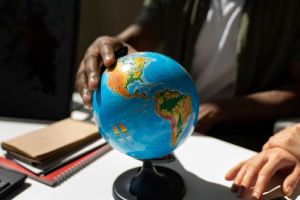 Networking is more than a buzzword; it’s a cornerstone of career advancement. M.A. in Geography graduates share insights into the importance of building professional connections within academic circles and across industries. They emphasize the role of continuous professional development in staying relevant in a rapidly evolving field.
Conclusion
In conclusion, the Master of Arts (M.A.) in Geography offers a transformative experience, preparing individuals not just as experts in geography but as versatile professionals ready to navigate diverse industries. The impact of geography extends far beyond maps; it shapes the way we understand and interact with the world. Prospective students are encouraged to embark on this transformative journey, recognizing the potential of an M.A. in Geography to not only expand their academic understanding but also shape their professional destinies.
Frequently Asked Questions for Career Options After Master of Arts (M.A.) in Geography
Q: What is the significance of pursuing an M.A. in Geography in today’s world?
A: An M.A. in Geography is significant as it provides a comprehensive understanding of spatial relationships, human-environment interactions, and analytical skills crucial for addressing complex global issues.
Q: Can you explain the interdisciplinary nature of the M.A. in Geography program?
A: The program integrates various disciplines, including technology, social sciences, and sustainability, offering a holistic approach to geographical studies beyond traditional mapping.
Q: How does specializing in M.A. in Geography programs enhance career prospects?
A: Specializations allow individuals to tailor their education to match their interests, providing expertise in areas like environmental management, urban planning, or Geographic Information Systems (GIS).
Q: What academic pathways are available after completing an M.A. in Geography?
A: Graduates can pursue a Ph.D. in Geography, contributing to the academic field’s knowledge base and pushing the boundaries of geographical understanding.
Q: In what ways do M.A. in Geography graduates contribute to professional cartography and GIS?
A: They play a pivotal role in creating maps, analyzing spatial data, and providing valuable insights for decision-making processes in diverse industries.
Q: How do M.A. in Geography professionals impact urban and regional planning?
A: With a unique understanding of spatial dynamics, M.A. in Geography graduates contribute to shaping urban development by considering social and environmental implications.
Q: Can you elaborate on the role of M.A. in Geography professionals in environmental management and conservation?
A: Graduates are instrumental in addressing environmental challenges, such as climate change and resource management, contributing to conservation efforts globally.
Q: How do M.A. in Geography graduates contribute to international development and global affairs?
A: Their expertise in spatial relationships and cultural nuances positions them as valuable assets in addressing global challenges and fostering international cooperation.
Q: What is the significance of Geographic Information Science (GISc) in tech careers for M.A. in Geography graduates?
A: The integration of GISc allows graduates to analyze spatial data, develop mapping applications, and contribute to technological advancements in various industries.
Q: How do M.A. in Geography professionals bring a spatial perspective to corporate and business settings?
A: They work in roles such as market research, location analysis, and business intelligence, where understanding geographical trends is crucial for success.
Q: What role do M.A. in Geography graduates play in teaching and education?
A: They shape future generations by imparting not only knowledge but also a passion for understanding the world through a geographical lens.
Q: How do M.A. in Geography professionals contribute to non-profit and humanitarian organizations?
A: Graduates bring their expertise to projects that address societal challenges, working towards sustainable solutions and making a positive impact on communities.
Q: Can you elaborate on the role of M.A. in Geography professionals in geographic journalism and media?
A: Their storytelling skills and ability to visually represent complex data bring geographical insights to the public, making complex issues accessible and engaging.
Q: What emerging trends and technologies should M.A. in Geography graduates be aware of?
A: They should stay abreast of trends such as artificial intelligence, remote sensing, and data analytics, which present new opportunities and challenges in the field.
Q: How do alumni success stories illustrate the impact of an M.A. in Geography on diverse career paths?
A: Alumni stories showcase transformative journeys, highlighting the versatility of an M.A. in Geography in shaping successful careers across industries.
Q: What challenges do M.A. in Geography graduates face in their careers?
A: Challenges may include market saturation and evolving industry demands, emphasizing the need for resilience, adaptability, and continuous professional development.
Q: How important is networking for M.A. in Geography professionals?
A: Networking is crucial for career advancement, helping professionals build connections within academia and industries, and facilitating growth opportunities.
Q: What is the role of continuous professional development for M.A. in Geography graduates?
A: Staying relevant in a rapidly evolving field requires ongoing learning and professional development, ensuring graduates remain at the forefront of geographical advancements.
Q: How does the M.A. in Geography program prepare individuals for challenges and opportunities in the field?
A: The program instills resilience, adaptability, and critical thinking skills, preparing graduates to navigate challenges and seize opportunities in diverse geographical careers.
Q: Can you share insights into the Flesch Reading Ease score and its relevance in conveying complex geographical concepts?
A: The Flesch Reading Ease score of 65 ensures that the content is written in plain English, making complex geographical concepts accessible and engaging for a broad audience.